An Ultimate Guide on Textile Dyeing and Printing Chemicals
Textile Industry is one of the leading and most important industries in the world. The fact that it is always being on top shows its priority and importance in today's world. Many other industries are dependent on the textile industry for them to prosper like the fashion industry, etc. for this fact the textile industry has always come up with new ideas to go side by side with modern trends. The growing demands of current fashion, industries have forced textile chemicals manufacturer to make different types of chemicals and enzymes to meet the requirements.
For this purpose, the manufacturing of different compounds and elements is taking place to process textiles with these sophisticated and hazardous chemicals and dyeing enzymes to make them quality fabric and ultimately to the end-users. These chemicals differ in applications and all have different features. They are made in a controlled environment limiting magnitudes by procedures like biochemical and scientific processes. They are designed in a way that is only made for use in textile equipment and tools and dispensation of textile auxiliaries which give them the unique importance in chemicals and different types of dyeing enzymes used to give starch treatment and colors to the fabric. There are several printing chemicals and dyeing auxiliaries to which a textile is processed.
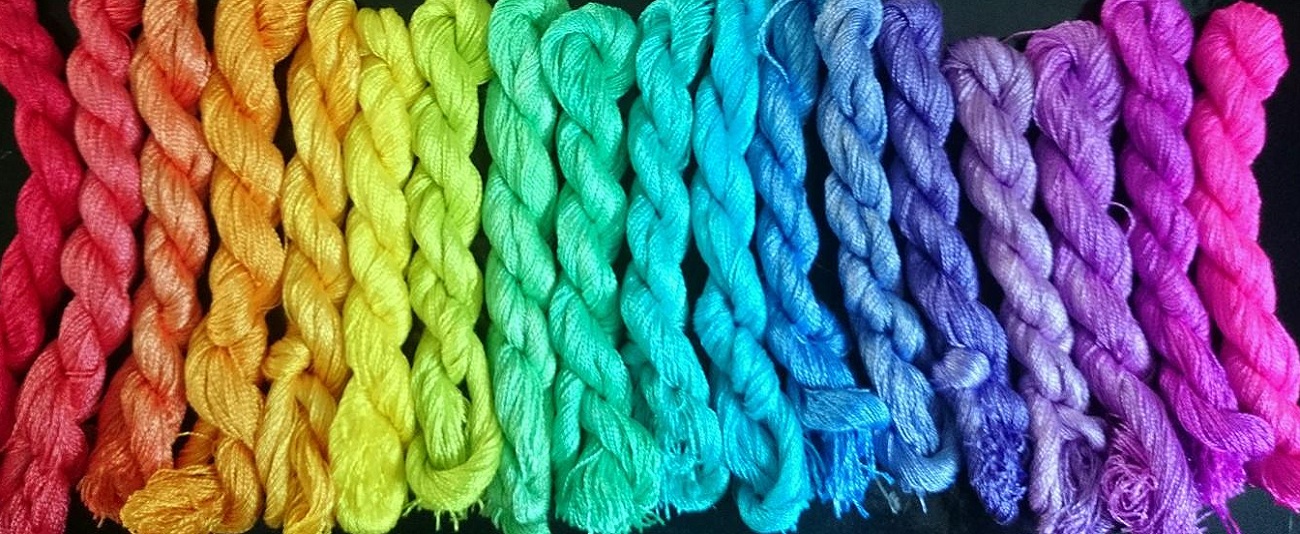
These procedures use the main process of scrubbing, starching, shading, peroxiding with agents, etc. the thread which is made to use the fabric is of two types, natural and artificial. Artificial fibres are of an important role in the textile industry these days silicon softeners and other chemicals are used to incorporate the softening of textile and related fabric which is an important use of the textile market.
The chemicals are specialized constituents and are intended to compounds that are used in the field. These chemicals are manufactured in large quantities and a controlled environment as these chemicals are hazardous in nature. The makings of organics that have slighter amounts of performance solicitations are disparity towards the trade chemicals and are made to meet the needs of the customer and the market. To make fabric stretchy and interlacing substance this is made from synthetic polymers and chemicals often stated as a strand of threads or yarn.
These chemicals and dyeing enzymes incorporate the construction capability of the global market making these fabrics to meet customer and market ever-growing demands from the textile industry.
The main purpose of this article is to elucidate the facts and some information about the textile industry and how the chemical works in the fabrication process powered by one of the leading textile auxiliary manufacturer from India.
TEX-AUX Chemicals one of the best textile chemicals manufacturer in Gujrat which offers a complete range of Eco-friendly textile dyeing and printing products in India. We aim to provide great services to our customers. Visit our website for more info.


Comments
Post a Comment